
Table of Contents
Slip-and-fall accidents in restaurants happen more often than many people realize, and they can lead to serious injuries, medical bills, and lost income. A slip-and-fall case is a type of personal injury claim where the injured person seeks compensation for injuries caused by a hazardous condition on someone else’s property. To succeed in these cases, proving negligence is key. This means demonstrating that the restaurant failed to maintain a safe environment. In this blog, we’ll break down the types of evidence that can help establish negligence and strengthen your claim.
Establishing Duty of Care
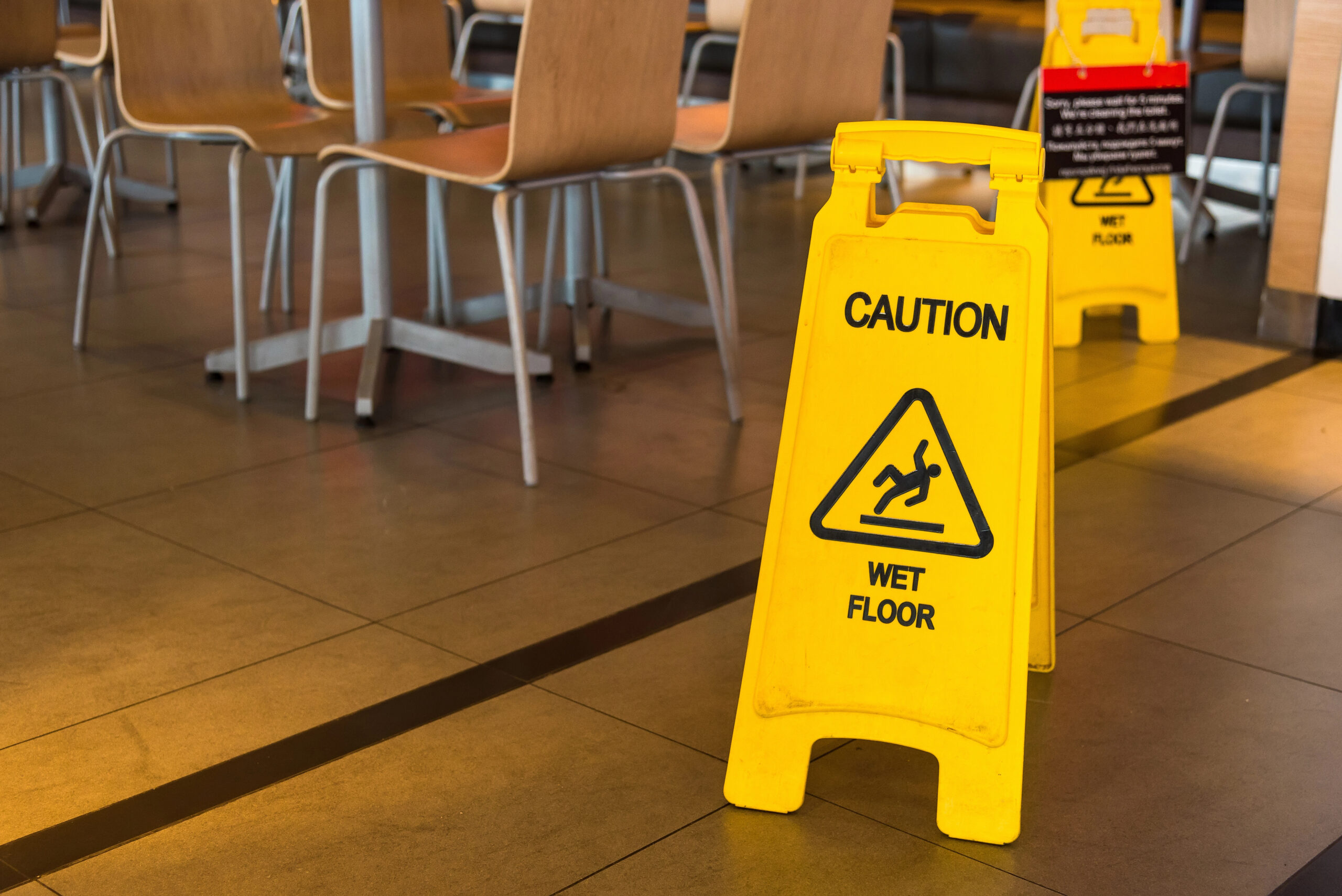
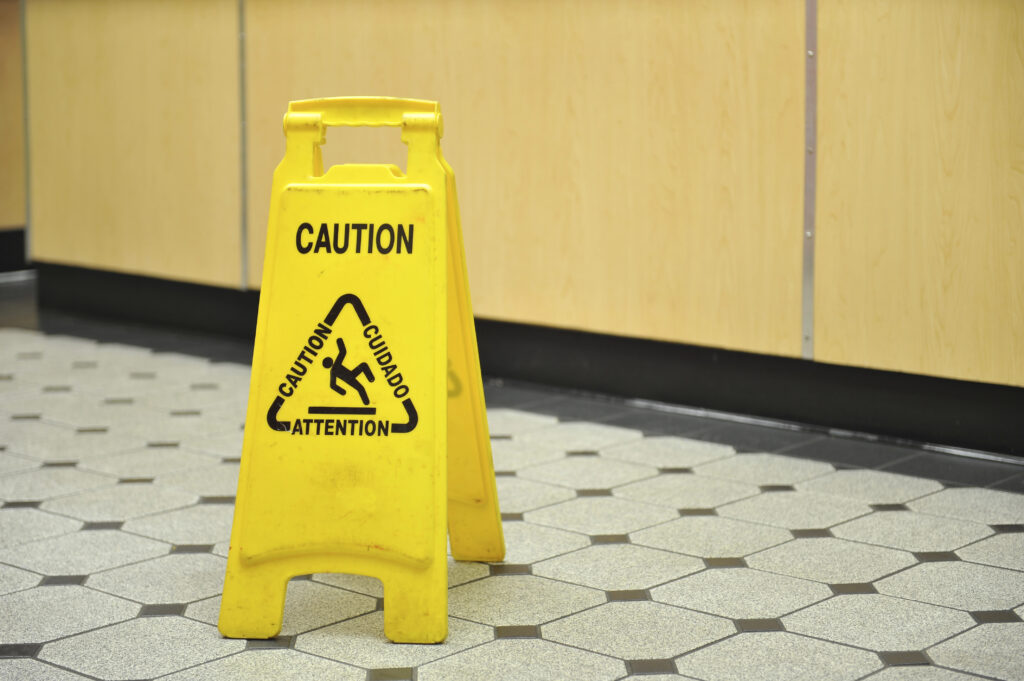
In any slip-and-fall case, the first step is proving that the restaurant owed you a duty of care. Simply put, this means the establishment is legally responsible for keeping its premises safe for customers. Restaurants must regularly inspect floors, clean up spills promptly, and warn patrons of any hazards. Showing that the business failed in this duty is essential to building your case. Evidence might include lack of warning signs, missing floor mats, or testimony from staff acknowledging the hazard. Establishing that the restaurant had a duty (and didn’t uphold it) is the foundation for proving negligence in your claim.
Evidence of the Hazard
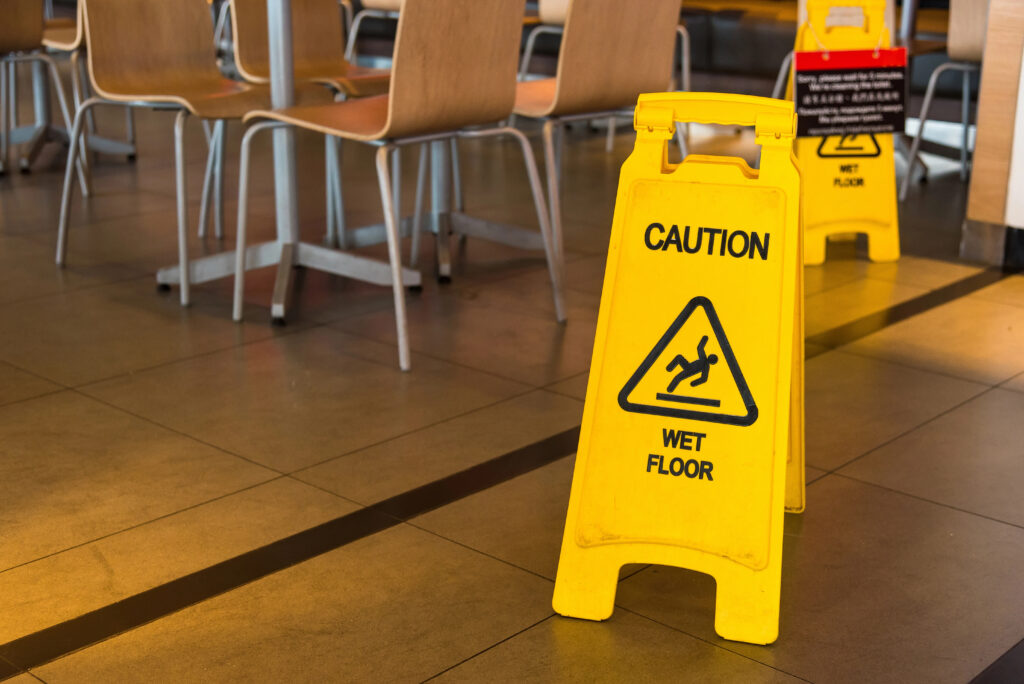
To prove negligence in a slip-and-fall case, you need clear evidence of the hazardous condition that caused your fall. Photographs or videos of wet floors, spills, uneven surfaces, or obstacles can be powerful tools in demonstrating the danger. Witness statements from other patrons or employees who saw the hazard, or even saw you fall, can further support your claim. Maintenance logs, inspection reports, or cleaning schedules can also show whether the restaurant was diligent in addressing potential risks. By documenting the hazard thoroughly, you establish a clear connection between the unsafe condition and your accident, strengthening your case for compensation.
Proof the Hazard Caused the Fall
Establishing that the hazard directly led to your injury is a crucial step in a slip-and-fall case. Medical records documenting the nature and extent of your injuries provide objective evidence of harm. Expert testimony, such as from a safety consultant or medical professional, can link the specific hazard (like a wet floor or broken step) to the injuries you sustained. A detailed timeline of the accident, including when and where it occurred, can help show how the restaurant’s negligence directly caused your fall. Clearly connecting the unsafe condition to your injuries helps you build a stronger foundation for a successful claim.
Evidence of Negligence or Failure to Act
To prove a restaurant was negligent, you need to show that it failed to take reasonable steps to prevent the hazard that caused your fall. This can include prior complaints or incidents at the same location, which indicate a pattern of inattention. Missing warning signs, inadequate floor mats, or poor lighting can also demonstrate that the business neglected its responsibilities. Statements from employees admitting they were aware of the hazard or that it wasn’t addressed promptly can further strengthen your case. Collecting and presenting this evidence helps show that the restaurant didn’t act with the care expected, a key element in a successful slip-and-fall claim.
Documenting Damages
In a slip-and-fall case, showing the impact of your injuries is just as important as proving the hazard. Keep detailed records of medical bills, therapy costs, and any lost wages resulting from your accident. Don’t forget to include out-of-pocket expenses, such as transportation to appointments or medications. Emotional and physical pain, lifestyle changes, or loss of enjoyment of daily activities can also be considered, and documenting these experiences helps paint a full picture of the accident’s consequences. Thoroughly tracking your damages strengthens your claim and ensures that you’re fairly compensated for both the tangible and intangible effects of your injuries.
Importance of Legal Guidance
Navigating a slip-and-fall claim in a restaurant can be complex, especially when it comes to gathering and presenting the right evidence. A qualified personal injury attorney can help ensure that photographs, witness statements, medical records, and maintenance logs are properly collected and organized. They understand restaurant liability laws and insurance procedures, making it easier to hold the responsible party accountable. With professional guidance, you can focus on recovery while your attorney builds a strong case on your behalf. Seeking legal support early increases your chances of a successful outcome and helps you secure the compensation you deserve.
Contact LeBaron & Jensen for Expert Legal Assistance
Slip-and-fall accidents in restaurants can be stressful and overwhelming, but understanding the evidence needed to prove negligence is the first step toward securing the compensation you deserve. At LeBaron & Jensen, our experienced personal injury attorneys guide you through every stage of the process to ensure your case is handled thoroughly and professionally. If you or a loved one has been injured in a slip-and-fall accident, contact us at LeBaron & Jensen today for a free consultation and personalized advice to protect your rights.