
Table of Contents
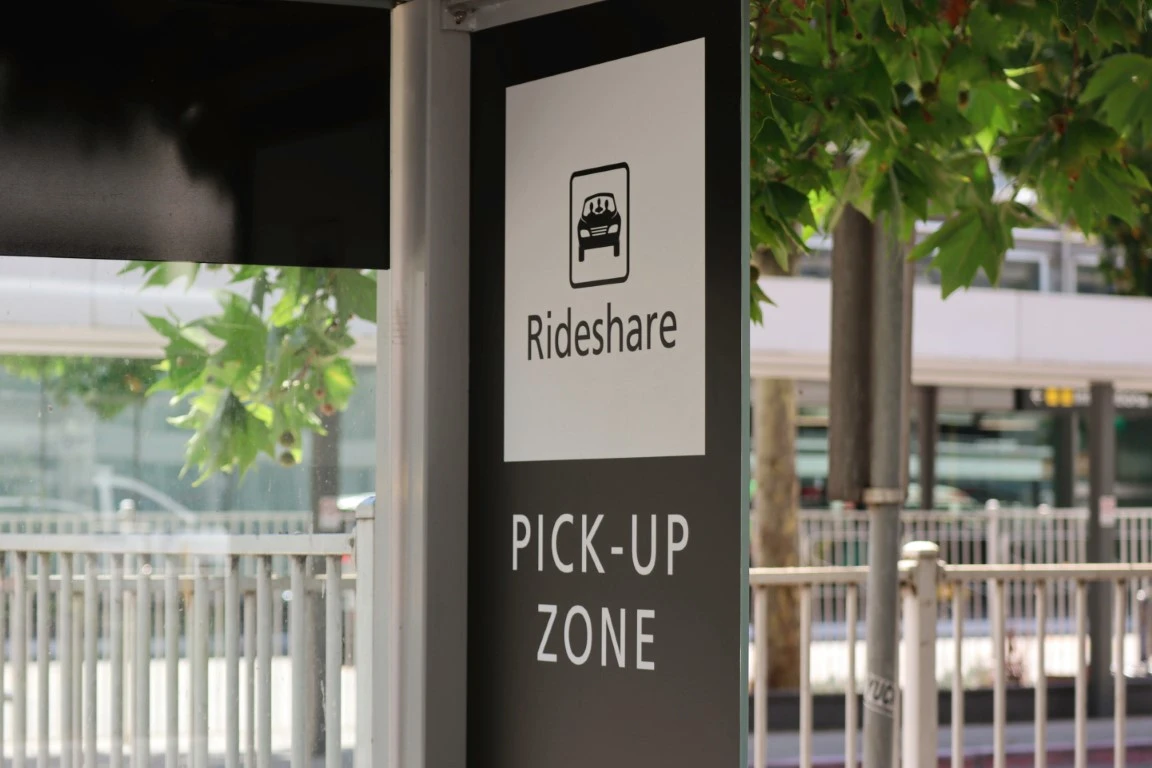
Rideshare services like Uber and Lyft have made transportation more convenient than ever. However, when an accident happens, determining who is responsible can be far more complicated than in a typical car crash.
Unlike standard accidents that usually involve two drivers and their insurance companies, rideshare accidents can involve multiple parties, layered insurance policies, and unique legal considerations. Understanding who is liable is essential for recovering compensation after an injury. With guidance from experienced attorneys like LeBaron & Jensen, victims can better navigate these complex situations.
How Rideshare Accidents Are Different
Rideshare accidents differ from traditional car accidents because of the relationship between the driver and the company. Rideshare drivers are typically classified as independent contractors rather than employees. This distinction plays a major role in determining liability.
Another key difference is that insurance coverage changes depending on what the driver was doing at the time of the accident. Whether the driver was off duty, waiting for a ride request, or actively transporting a passenger can significantly affect which insurance policy applies.
Because of these factors, rideshare accident claims often involve more investigation and negotiation than standard cases.
Understanding Rideshare Driver Status
- App Off: If the driver is not logged into the rideshare app at the time of the accident, they are considered off duty. In this case, the driver’s personal auto insurance is typically the only coverage available.
- App On, Waiting for a Ride: When the driver is logged into the app but has not yet accepted a ride, limited liability coverage may be provided by the rideshare company. However, this coverage is usually secondary to the driver’s personal insurance and may have lower limits.
- Ride Accepted or Passenger Onboard: Once a driver has accepted a ride or is actively transporting a passenger, the rideshare company’s insurance coverage increases significantly. This often includes higher liability limits to cover injuries and damages resulting from an accident.
Understanding which phase the driver was in is one of the most important factors in determining liability and available compensation.
Who Can Be Liable in a Rideshare Accident?
The Rideshare Driver
If the rideshare driver’s negligence caused the accident, such as speeding, distracted driving, or failing to follow traffic laws, they may be held liable. Depending on their app status, either their personal insurance or the rideshare company’s policy may apply.
Other Drivers Involved
In many cases, another driver may be partially or fully responsible for the accident. If another vehicle caused the crash, that driver’s insurance would typically be the primary source of compensation.
The Rideshare Company
Companies like Uber and Lyft generally structure their business models to limit direct liability. However, they do provide insurance coverage for drivers under certain conditions.
While it is less common for the company itself to be directly liable, their insurance policies often play a key role in covering damages when drivers are actively using the app.
Insurance Coverage in Rideshare Accidents
Rideshare accidents often involve multiple layers of insurance coverage. This can include the driver’s personal auto insurance, the rideshare company’s liability policy, and potentially other drivers’ insurance policies.
Determining which policy applies depends on the details of the accident, including the driver’s status and who was at fault. This layered system can make claims more complicated, especially when insurance companies dispute responsibility or attempt to minimize payouts.
Common Challenges in Rideshare Accident Claims
One of the biggest challenges in rideshare accident cases is determining the driver’s status at the time of the crash. This information is critical but may not always be immediately available.
Dealing with multiple insurance companies can also lead to delays and disputes. Each insurer may attempt to shift responsibility to another party, making it harder for victims to receive timely compensation.
Proving liability can also be more complex, as it often requires gathering detailed evidence and understanding how different policies interact.
Why Legal Help Matters
Because rideshare accident cases are more complex than typical car accidents, having experienced legal representation can make a significant difference. An attorney can help identify all liable parties, gather necessary evidence, and navigate the various insurance policies involved.
Working with a knowledgeable law firm ensures that your claim is handled properly and that you have the best chance of receiving fair compensation for your injuries and damages.

Get Help With Your Rideshare Accident Case
Determining liability in a rideshare accident is rarely straightforward. With multiple parties, changing insurance coverage, and complex legal considerations, it is easy to feel overwhelmed.
That is why it is important to act quickly and seek professional guidance. The team at LeBaron & Jensen has experience handling rideshare accident cases and can help you understand your options every step of the way.
If you have been injured in an accident involving a rideshare vehicle, contact us at LeBaron & Jensen today to schedule a consultation and get the support you need to move forward with confidence.