
Table of Contents

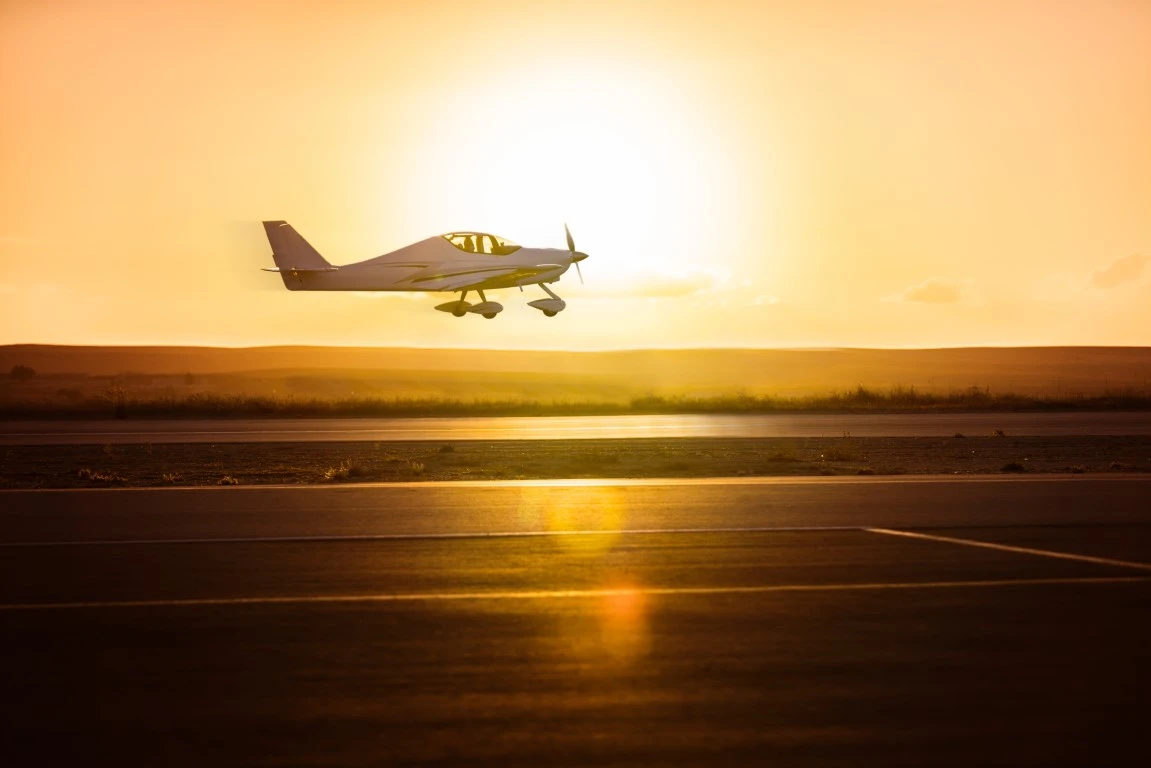
Private flights are often seen as convenient, flexible, and even safer than commercial air travel. Whether used for business, leisure, or short regional trips, private aviation offers a level of control and comfort that commercial airlines can’t always provide. However, when accidents occur on private flights, the consequences can be devastating, especially when those accidents are caused by pilot negligence. Understanding how and why these accidents happen is an important first step for victims and their families seeking answers and accountability.
What is Pilot Negligence?
Pilot negligence occurs when a pilot fails to meet the standard of care required to operate an aircraft safely. All pilots, whether flying commercially or privately, have a legal and professional duty to follow aviation regulations, properly prepare for flights, and make sound decisions in the air. When a pilot’s actions or omissions put passengers at risk, and that failure leads to injury or death, negligence may be involved.
Unlike unavoidable events such as sudden mechanical failures or extreme, unpredictable weather, negligence often involves preventable mistakes. These mistakes may occur before takeoff, during flight, or while landing, and they can have catastrophic outcomes.
Common Types of Pilot Negligence on Private Flights

Pilot negligence can take many forms, particularly in private aviation where oversight may be less structured than in commercial airlines. One common issue is flying in unsafe weather conditions. Private pilots may feel pressure to complete a flight despite poor visibility, storms, or high winds, increasing the risk of losing control or crashing. Another frequent problem is failure to follow FAA regulations, including flight plans, altitude requirements, or airspace restrictions.
Negligence can also occur before the aircraft ever leaves the ground. Inadequate pre-flight inspections, such as failing to check fuel levels, control surfaces, or safety equipment, can allow serious issues to go unnoticed. Lack of proper training or certification, especially for specific aircraft types or flight conditions, can leave pilots unprepared for emergencies.
Other contributing factors can include pilot fatigue, distraction, impairment, or poor judgment—each of which can severely compromise flight safety.
Causes of Private Flight Accidents Linked to Negligence
These are some common causes of private flight accidents:
- Controlled Flight Into Terrain (CFIT): Occurs when a fully functioning aircraft is unintentionally flown into the ground, mountains, or obstacles due to pilot error, poor visibility, or misjudgment.
- Takeoff and Landing Accidents: Often caused by miscalculations, incorrect airspeed, improper runway use, or failure to adjust for weather and aircraft conditions during critical phases of flight.
- Fuel Mismanagement: Includes running out of fuel mid-flight or misjudging fuel needs, which can force emergency landings or result in crashes that could have been prevented with proper planning.
- Overloading or Improper Weight Balance: Carrying too much weight or failing to distribute it correctly can reduce aircraft performance and stability, making the plane harder to control.
- Poor Communication with Air Traffic Control: Failing to follow instructions or respond to warnings can lead to airspace violations, near-misses, or collisions, especially in congested or restricted areas.
Who Can Be Held Liable in a Private Aviation Accident?
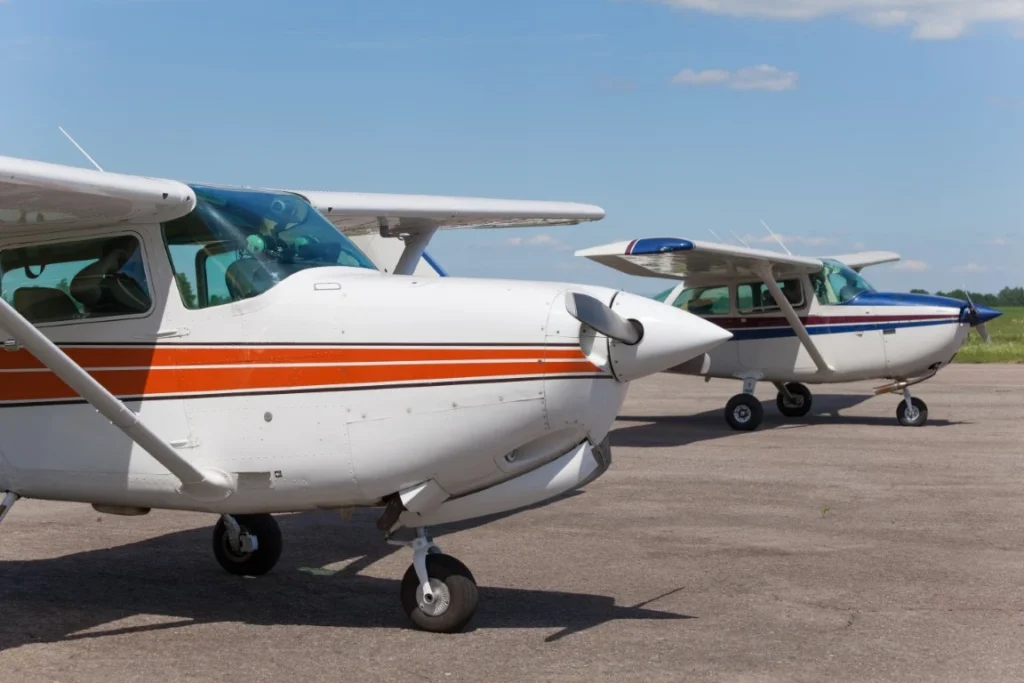
Determining liability after a private flight accident can be complex. While the pilot is often the primary focus, they are not always the only party who may be held responsible.
The pilot may be liable if their actions directly caused the accident. The aircraft owner may share responsibility if they allowed an unqualified pilot to fly or failed to maintain the aircraft properly. In some cases, a charter company or flight operator may be liable for negligent hiring, training, or supervision.
Third parties can also be involved, such as maintenance providers who performed improper repairs or inspections. Each case requires careful investigation to identify all responsible parties and determine how liability should be shared.
Why Aviation Negligence Cases Are Complex
Aviation accident cases are far more complex than typical personal injury claims. They often involve federal aviation regulations, detailed technical evidence, and thorough investigations conducted by agencies such as the FAA or NTSB. Accident data, flight records, maintenance logs, and expert analysis are frequently required to determine what went wrong.
There may also be multiple insurance companies involved, each working to limit its financial exposure. Without experienced legal representation, victims and families can quickly feel overwhelmed by the legal and technical challenges of an aviation case.
How LeBaron & Jensen Can Help

LeBaron & Jensen understands the serious impact aviation accidents have on victims and their families. Our legal team has experience handling complex personal injury cases and knows how to navigate the unique challenges involved in claims related to pilot negligence.
By working with aviation experts, investigators, and medical professionals, LeBaron & Jensen helps uncover the facts, identify responsible parties, and pursue fair compensation. We also handle communications with insurance companies to allow clients to focus on recovery and healing.
If you or your family has been affected by a private aviation accident, LeBaron & Jensen can provide the guidance and legal support needed to pursue accountability and compensation. Contact us today to get started.